
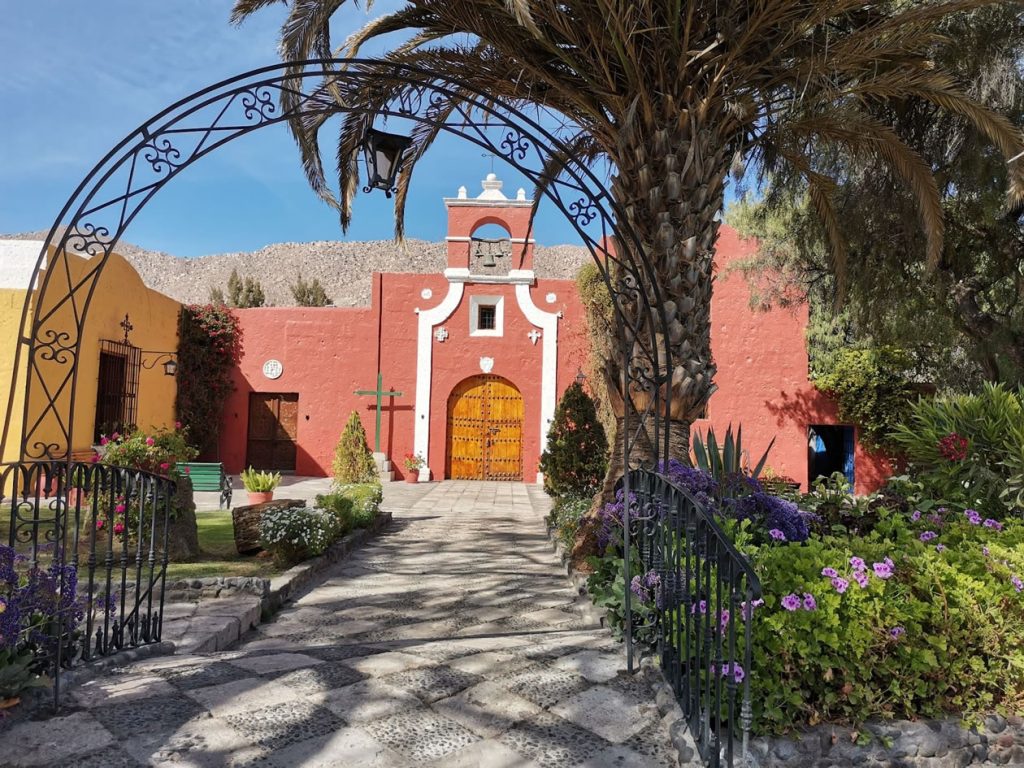


Arequipa Countryside Tour
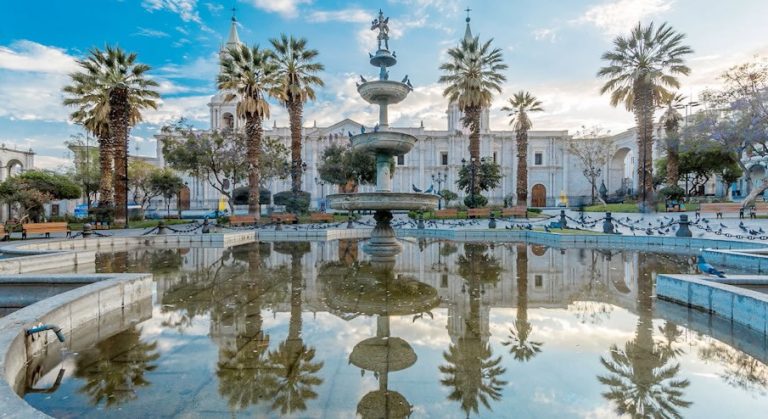
Discover the essence of Arequipa in a tour that combines natural landscapes, colonial architecture and living history. The Campiña Tour is ideal for those who want to get to know the surroundings of the White City and immerse themselves in its cultural tradition, enjoying viewpoints, colonial mansions and the beauty of the Arequipa valley.
| ITINERARY | APPROX. TIME |
|---|---|
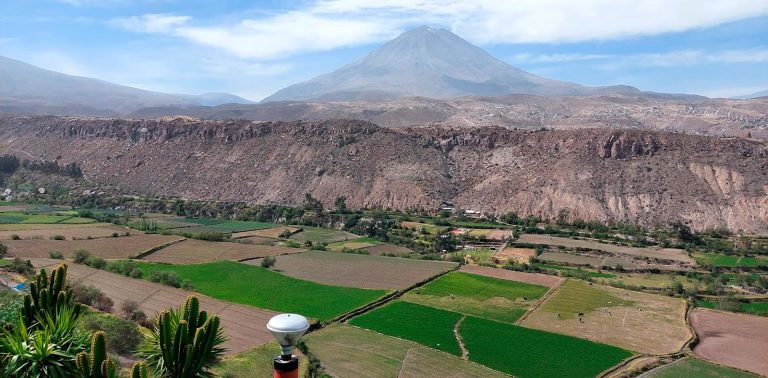
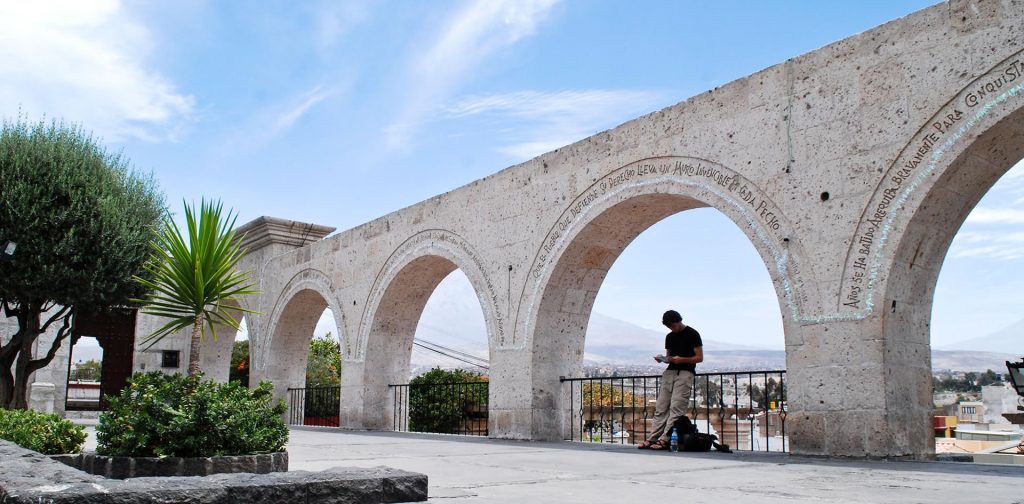
Viewpoint of Yanahuara We begin our adventure with a visit to the traditional neighborhood of Yanahuara. From its viewpoint, we will enjoy one of the best panoramic views of Arequipa and its tutelary volcanoes: Misti, Chachani and Pichu Pichu. | 09:00AM |
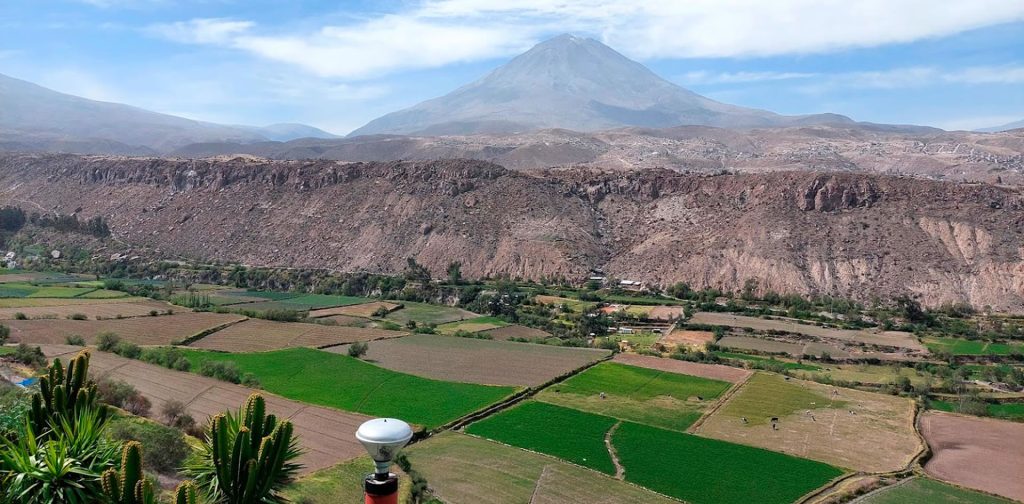
Carmen Alto viewpoint A perfect spot to contemplate the Chilina Valley, its agricultural terraces and the natural environment surrounding the city. | |
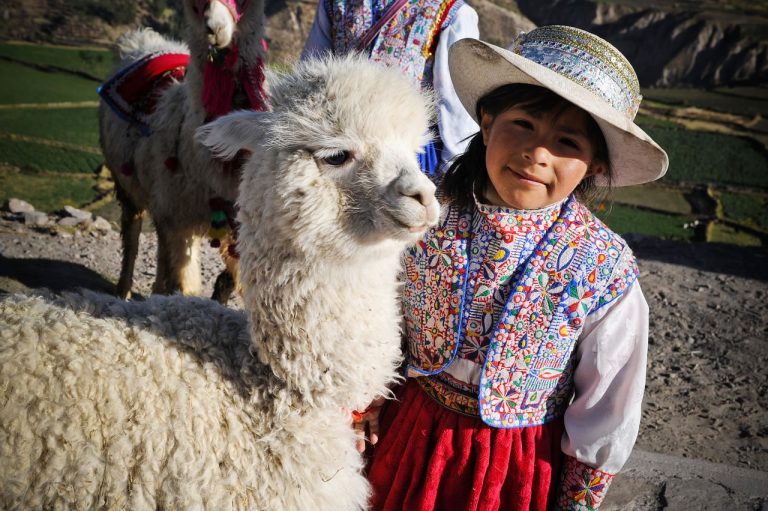
Incalpaca Outlet We will learn about the four varieties of South American camelids (llamas, alpacas, vicuñas and guanacos) and appreciate the quality of the alpaca textiles that make the region famous. | |
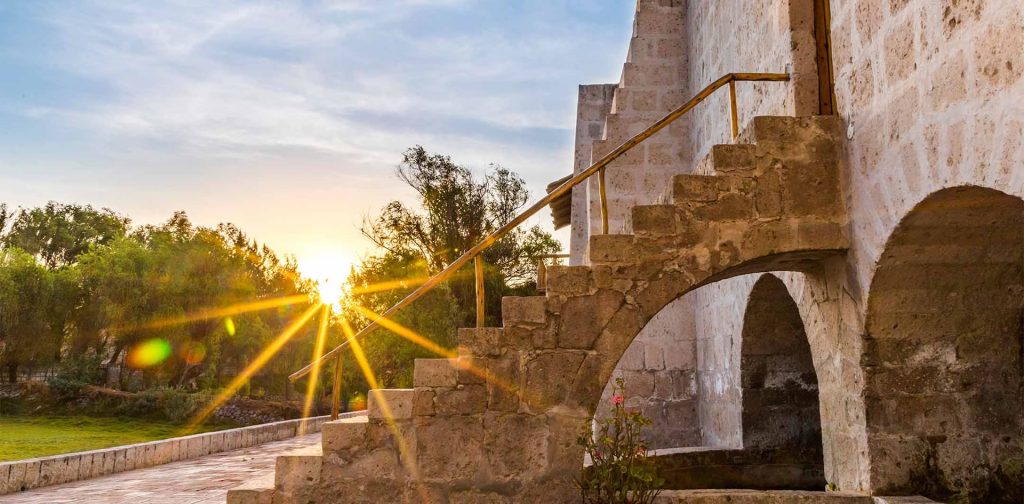
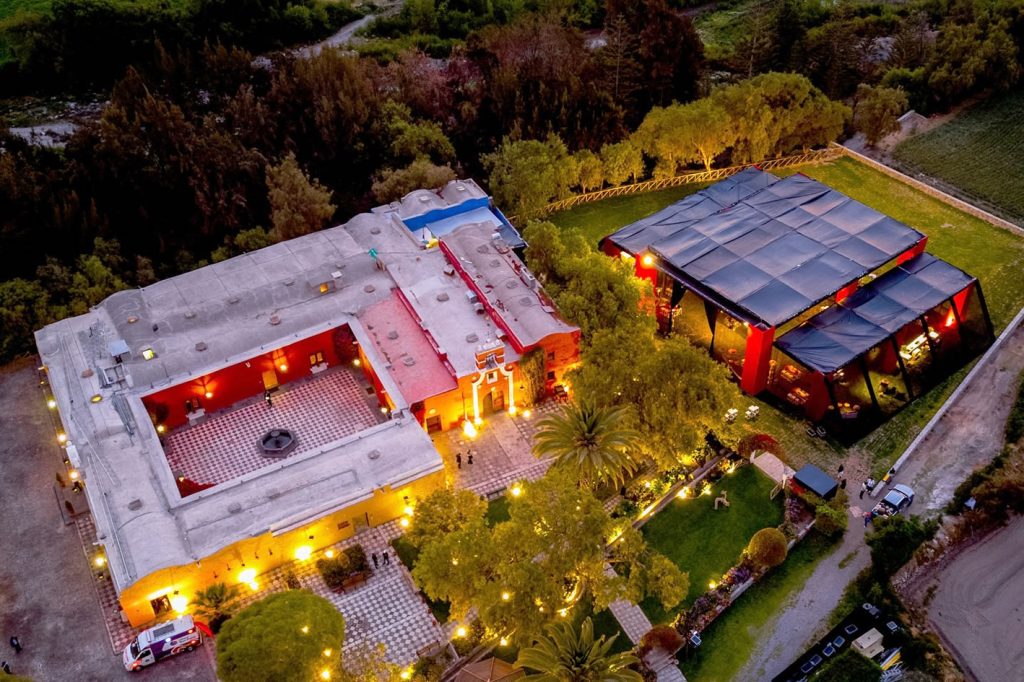
Founder’s Mansion An architectural jewel of the seventeenth century, former stately residence that retains period furniture and beautiful gardens. A trip to Arequipa’s colonial past. | |
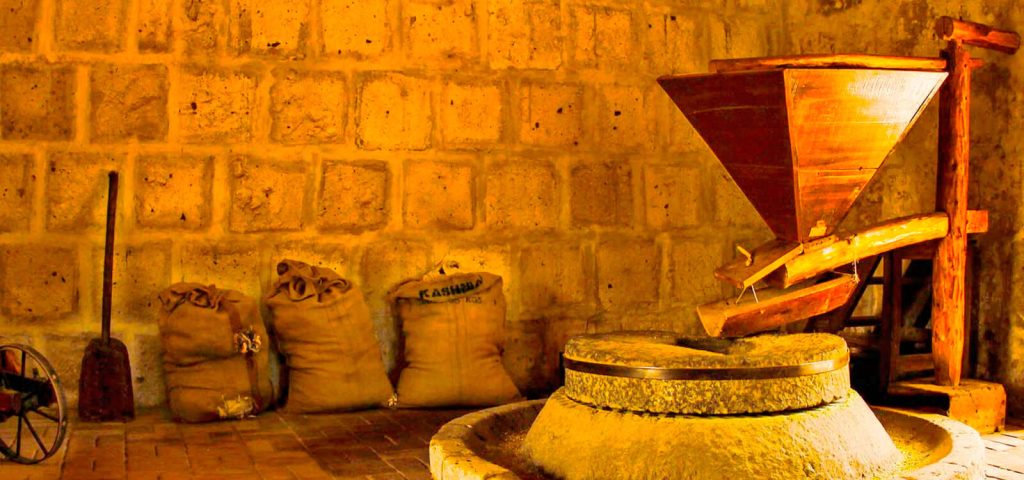
Sabandía Mill Historical construction from the XVII century that still works, showing the old milling process. Surrounded by a natural environment, here you can observe horses, alpacas and even take short walks. | |
Paucarpata Platforms We will admire the impressive pre-Inca agricultural engineering, with terraces still in use by local farmers, and unique views of the Misti volcano. | 02:00PM |
Includes:
- Pick up from centrally located hotels in Arequipa.
- Equipped tourist transportation.
- Official bilingual tour guide (Spanish/English).
Does not include:
- Lunch.
- Personal expenses.
- Tickets:
- Carmen Alto: S/ 8.00
- Founder’s Mansion: S/ 15.00
- Sabandia Mill: S/ 10.00
- Menelik Museum: S/ 10.00
Recommendations:
- Comfortable and light clothing (ideally long sleeves for sun protection).
- Sneakers or comfortable shoes for walking in rural terrain.
- Hat or cap, sunscreen and sunglasses.
- Water and personal snacks.
- Cash (soles) for entrance fees and local purchases.
- Camera or cell phone with a charged battery to capture the landscapes and colonial houses.
Review view + Form
El mejor viaje de medio día al Lago Titicaca
El viaje fue excelente y superó todas nuestras expectativas. Nos encantó tanto la pequeña isla flotante Uros de Olga como la isla Taquile con el baile folklórico y el almuerzo en el restaurante familiar de Juan. El guía (Manuel) fue el mejor guía que tuvimos en Perú. Manu era extremadamente conocedor y un verdadero políglota (hablaba Portugués, Francés, Italiano, Quechua y Aymara) con gran pronunciación Inglés. El clima era perfecto, lo que también contribuyó a una experiencia maravillosa. Muy recomendable.

El mejor tour de la historia
Un gran tour. Las familias locales eran muy agradable y acogedor. La comida estaba deliciosa. La mejor gira que hemos hecho hasta ahora en Perú.

Tour interesante y valioso
Un recorrido muy bonito con grandes operadores y guías. Recogida suave del hotel y paseo en barco. Taquile era mejor que Uros Is, que estaban muy orientados al turismo.

Experiencia imprescindible si visitas Perú
Una experiencia maravillosa y totalmente recomendable. La atención por parte del guía, Jorge, estupenda, siempre atento y dando consejos. La acogida y la hospitalidad por parte de la familia en Amantaní, estupenda. Hay que agradecer a Jovita, nuestra “mami” en la isla, toda su atención y su cariño. Señalar que la subida al templo de Pachamama en Amantaní es algo dura, pero se puede hacer y vale la pena por la puesta de sol. La comida y la visita a Taquile también estupenda. Tenía miedo de que todo fuera un “espectáculo turístico”, pero nada más lejos de la realidad. En resumen: de las mejores experiencias de mi viaje a Perú.

Experiencia fantástica
Adaptamos nuestro tour Uros/Amantani/Taquile para que sea un tour privado para solo mi hija y yo para acomodar los horarios de vuelo.
Tuvimos un tiempo fantástico, añadiendo algunos extras como traslados al aeropuerto y montar a caballo en Amantani.
La señora de la reserva, el conductor, el capitán del barco, el propietario del alojamiento y nuestro guía Miguel, fueron todos profesionales que hicieron nuestro viaje suave, organizado, divertido e interesante. Todos fueron increíblemente útiles y fueron más allá. Recomendamos encarecidamente esta empresa a cualquiera.

Reservations
¿Have any questions before booking your tour? Send us a message and we’ll get back to you as soon as possible.

Leydy, Online
Tour Travel Advisor
Related Tours
Related Tours