
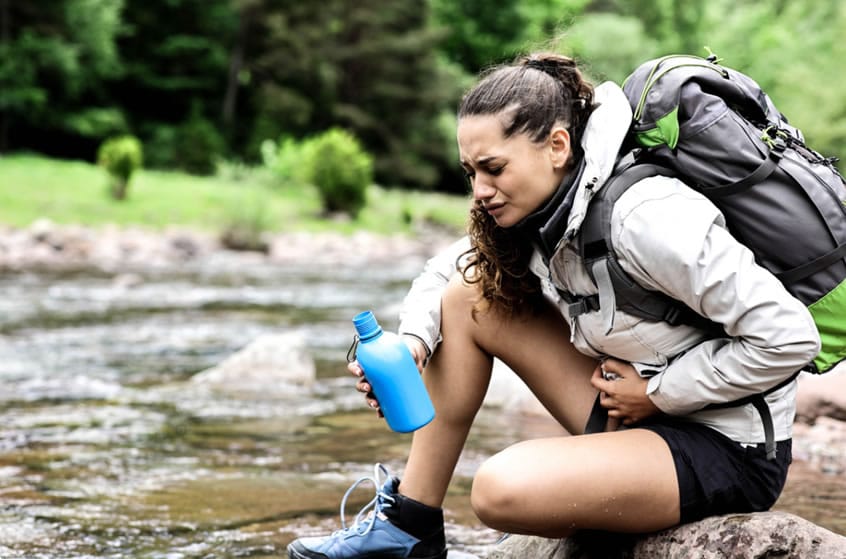
Altitude sickness is caused by a lack of oxygen in the body as you ascend to high-altitude places above 2,500 metres above sea level. “Hypobaric hypoxia”, caused by the decrease in the partial pressure of environmental oxygen associated with the drop in barometric pressure, secondary to the increase in altitude, meets the criteria as the causal agent of altitude sickness, produced by a lack of acclimatisation to altitude.
What are the symptoms?
The symptoms of altitude sickness include:
- Headache, which can become throbbing and gets worse during the night and when waking up.
● Loss of appetite
● Stomach discomfort with possible vomiting
● Feeling weak and tired; in severe cases, there is a lack of energy to eat, get dressed and do other things
● Waking up during the night and not being able to sleep well
● Feeling constantly dizzy
Tips for treating soroche
- Gradual acclimatisation: The key to avoiding soroche is allowing your body to adapt slowly to the altitude. Consider spending a couple of days in lower cities before ascending to higher altitudes such as Cusco or Puno.
- Constant hydration: Staying hydrated is essential at high altitudes. Drink plenty of water, avoid alcohol and reduce your caffeine intake to prevent dehydration and minimise the effects of soroche.
- Consume coca leaves: Another recommendation to bear in mind when arriving in high-altitude places is to start consuming coca leaves from the beginning, either by chewing them slowly or through an infusion, due to their medicinal properties that help combat soroche.
- Light and balanced diet: Choose light meals rich in carbohydrates. Avoid heavy meals, as digestion can become more difficult at high altitudes and worsen the symptoms of soroche.
- Adequate rest: Rest is essential to allow your body to adapt to the altitude. Do not overexert yourself physically at first and make sure you get enough sleep to allow a quick recovery.
- Medication for soroche: In severe cases, consider taking prescription medication for soroche with you. Consult a doctor before your trip and follow their recommendations regarding the dose and proper use of these medicines.
- Recognise the symptoms: Being alert to the symptoms of soroche is crucial. If you experience persistent dizziness, severe headaches or difficulty breathing, rest, drink water and seek medical help if the symptoms do not improve.
Remember: Your health comes first during your trip! Consider taking out health insurance or travel insurance to support you in the event of medical emergencies.
Suggested treatment in exceptional cases
A medication called acetazolamide (Diamox) may be administered to help you breathe better. It can also help reduce symptoms. This medication may make you urinate more frequently. When taking this medication, make sure you drink plenty of fluids and do not consume alcohol.
Note: The medication works best when taken before reaching a high altitude.
If you develop pulmonary oedema, treatment may include:
- Oxygen
● An antihypertensive medication called nifedipine
● Beta-agonist inhalers to open the airways
● In severe cases, a ventilator
● A medication to increase blood flow to the lungs called a phosphodiesterase inhibitor, such as sildenafil.
Note: Dexamethasone (Decadron) may help reduce the symptoms of acute mountain sickness and swelling of the brain (cerebral oedema). If the symptoms worsen, contact the emergency numbers of medical centres.
LIVE PUNO WITHOUT WORRIES!